
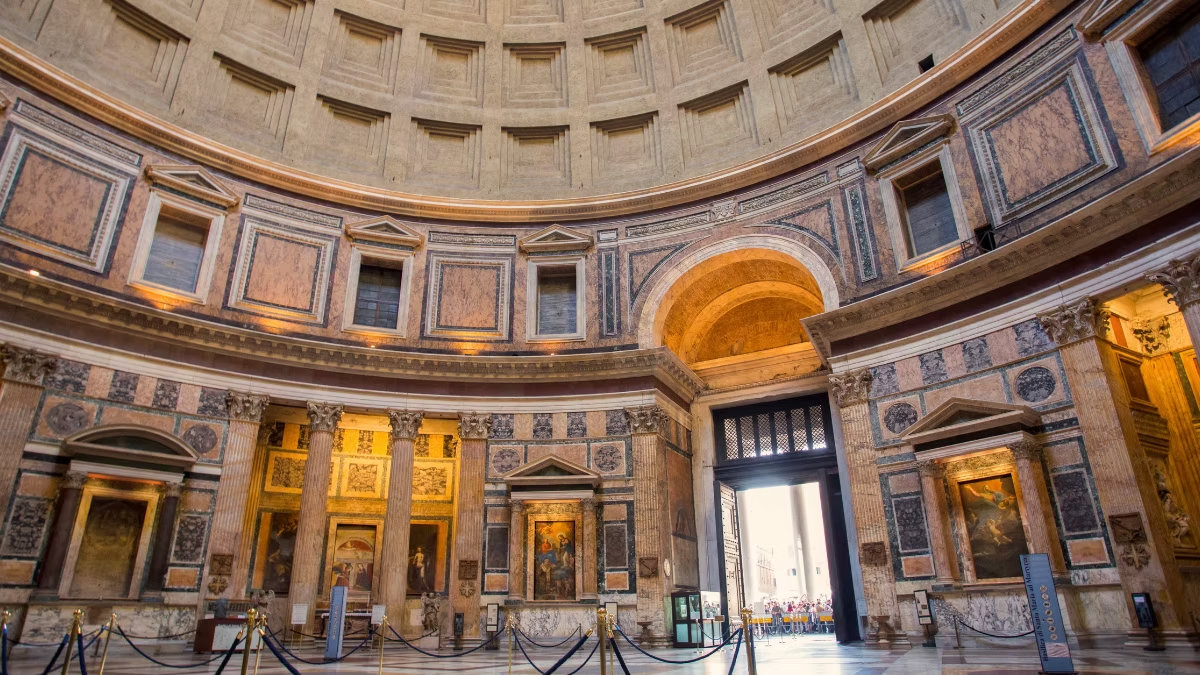
What To See at Pantheon
Pantheon is one of Rome’s most iconic landmarks and a masterpiece of Roman engineering. From the magnificent oculus to the intricate dome and historic burials, discover the must-see highlights that make this ancient temple unforgettable.
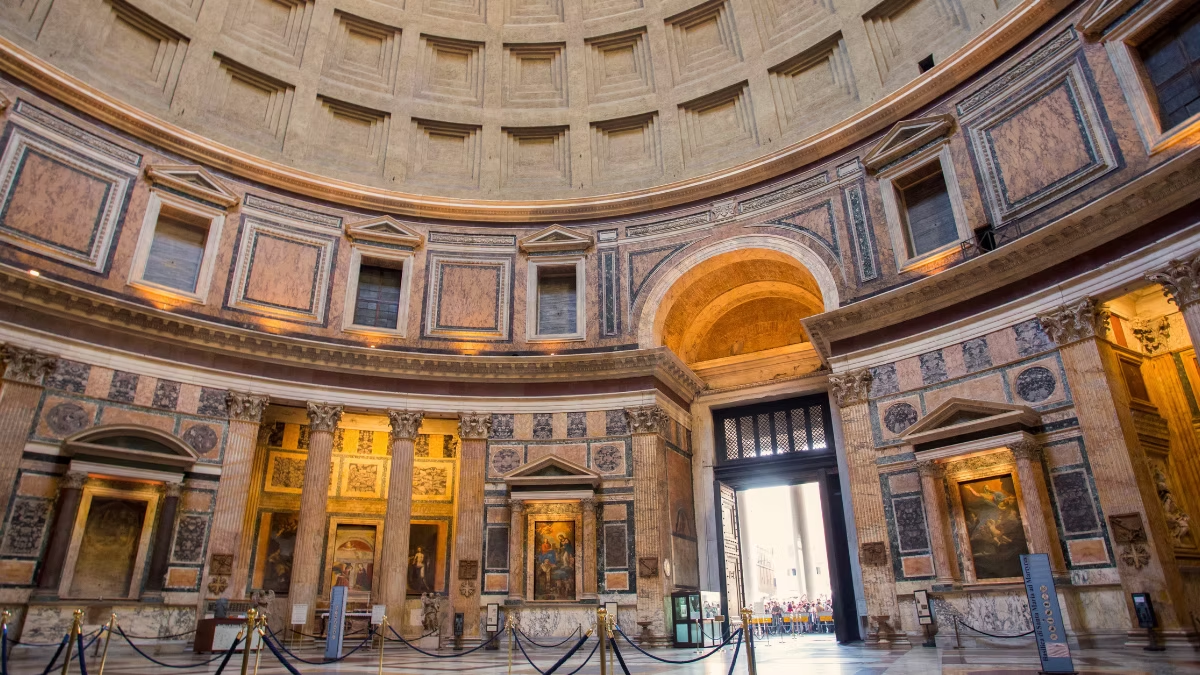
Top Highlights at Pantheon
The headline sights and experiences most visitors want to see first.
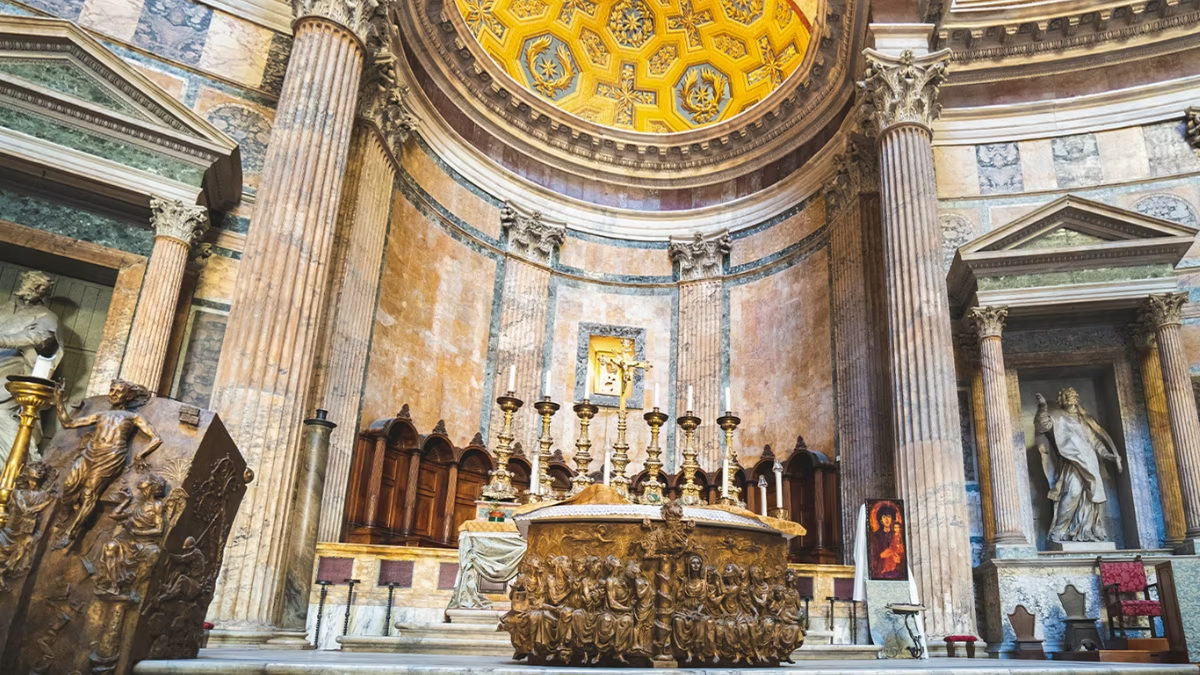
Pantheon Dome, Oculus & Tombs
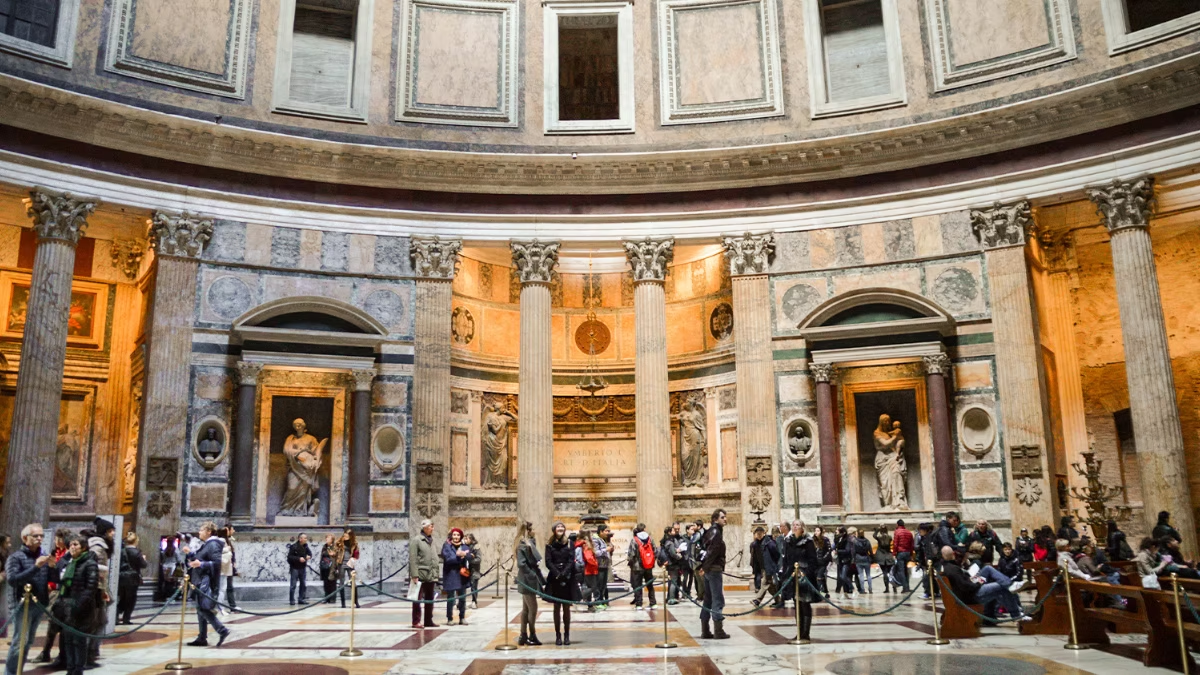
The rotunda’s coffered dome spans 43.3 metres with an open oculus that casts a moving beam of light across ancient marble floors. Seven niches hold altars and royal tombs, including Raphael’s burial site in the third niche on the left.
Explore →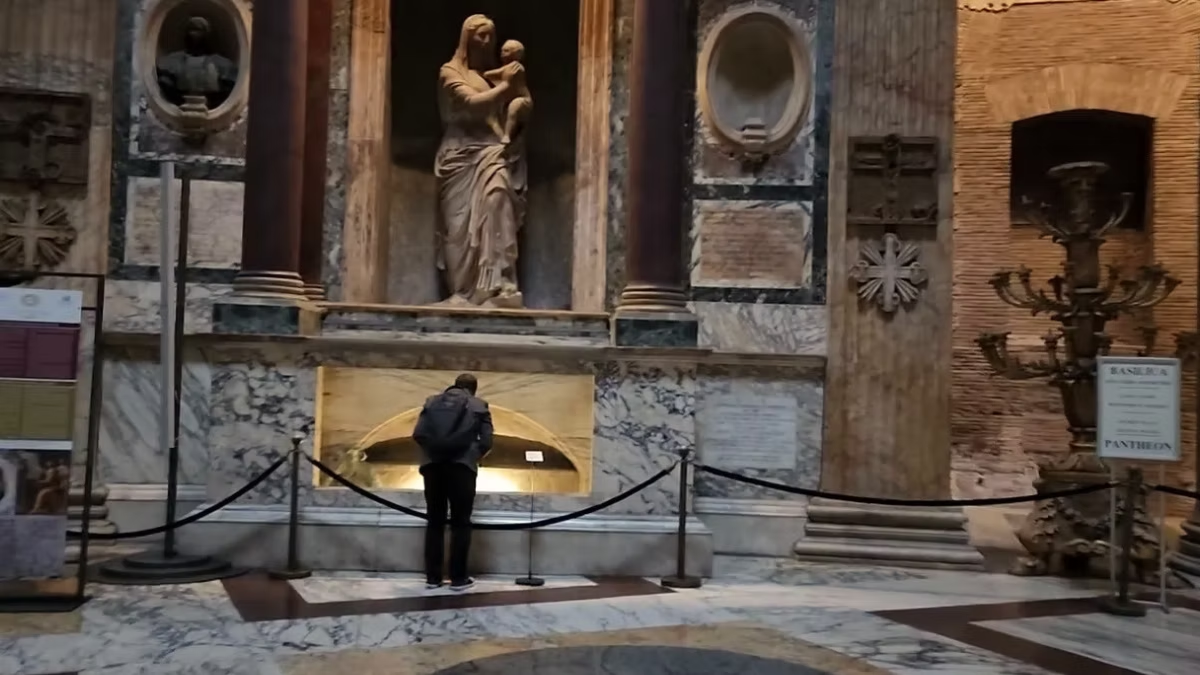
Raphael’s Tomb in Pantheon
Raphael’s stone sarcophagus sits in the third niche on the left, carved by his pupil Lorenzetto and topped with a marble Madonna. The Latin epitaph by Cardinal Bembo is one of the most quoted inscriptions in Rome, making this a must-see stop inside the Pantheon.
Explore →Visiting the Pantheon in Person
Architecture, history, tombs, and what to look for inside.
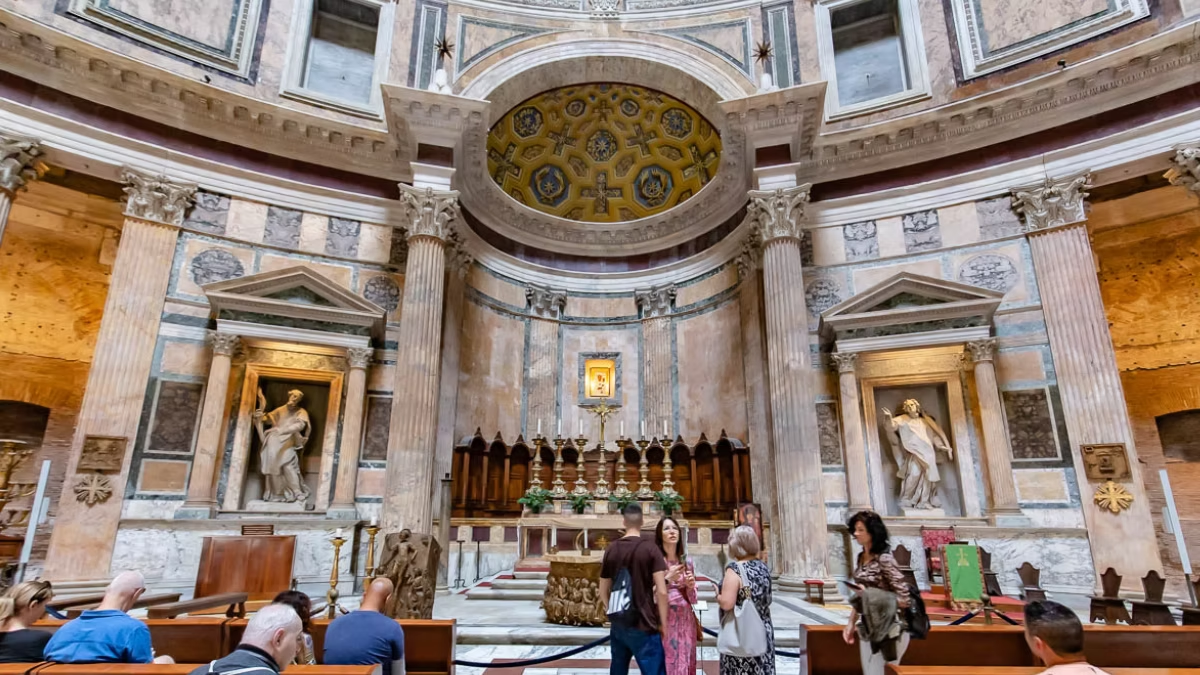
Pantheon Architecture
Explore the engineering marvel of the Pantheon’s dome and its 1,900-year-old concrete. Discover why this design has never been replicated.
Read guide →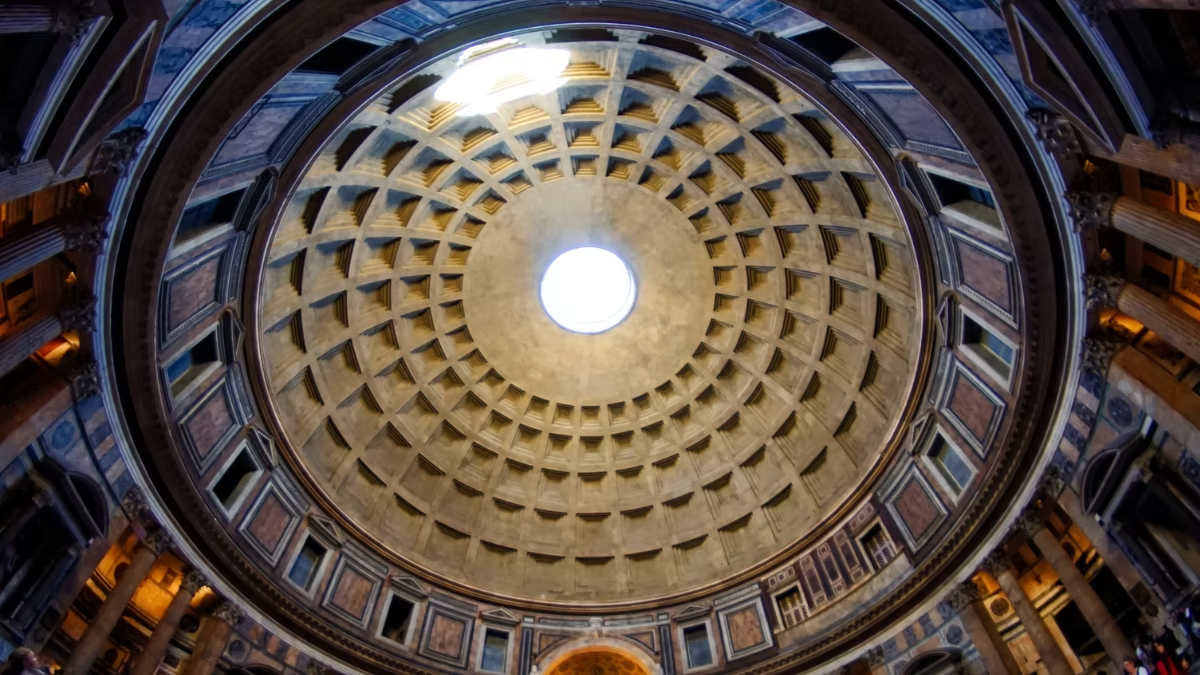
Pantheon’s Oculus
Discover why the Pantheon’s oculus is so iconic. Learn about its dimensions and structural purpose, the dramatic light beam that moves throughout the day, the legendary April 21 phenomenon, and the best viewing times.
Read guide →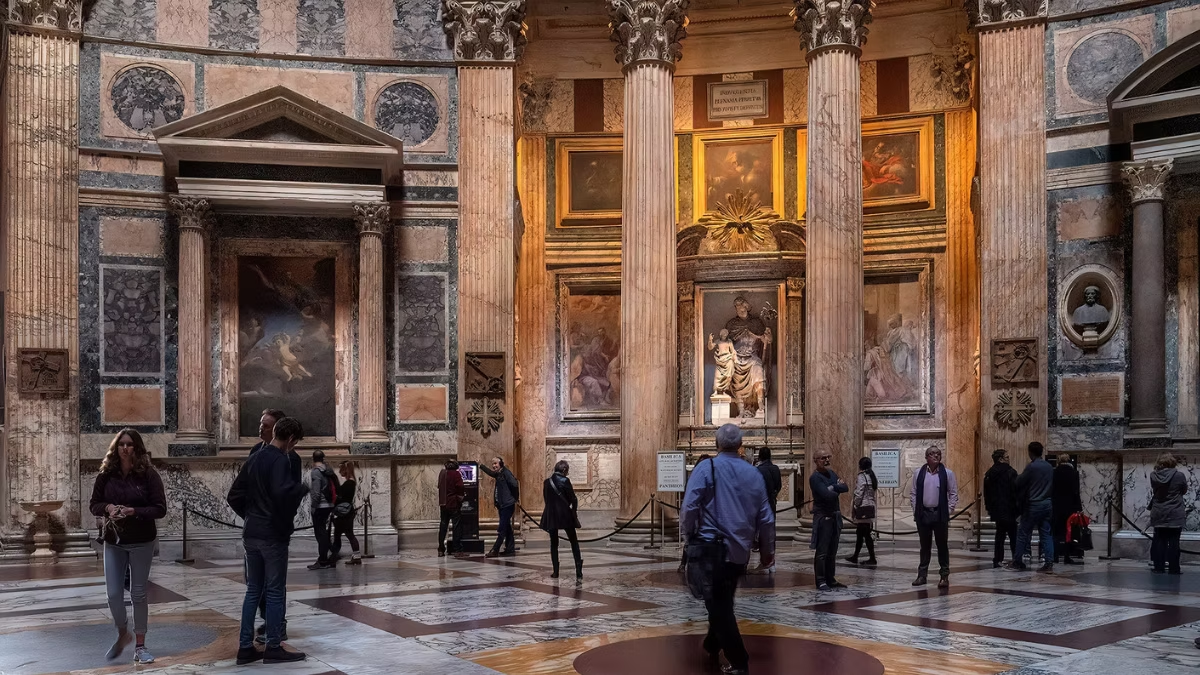
Kings of Italy at Pantheon
Learn about Italy’s royal tombs in the Pantheon — Victor Emmanuel II, Umberto I, and Queen Margherita, and their place in history.
Read guide →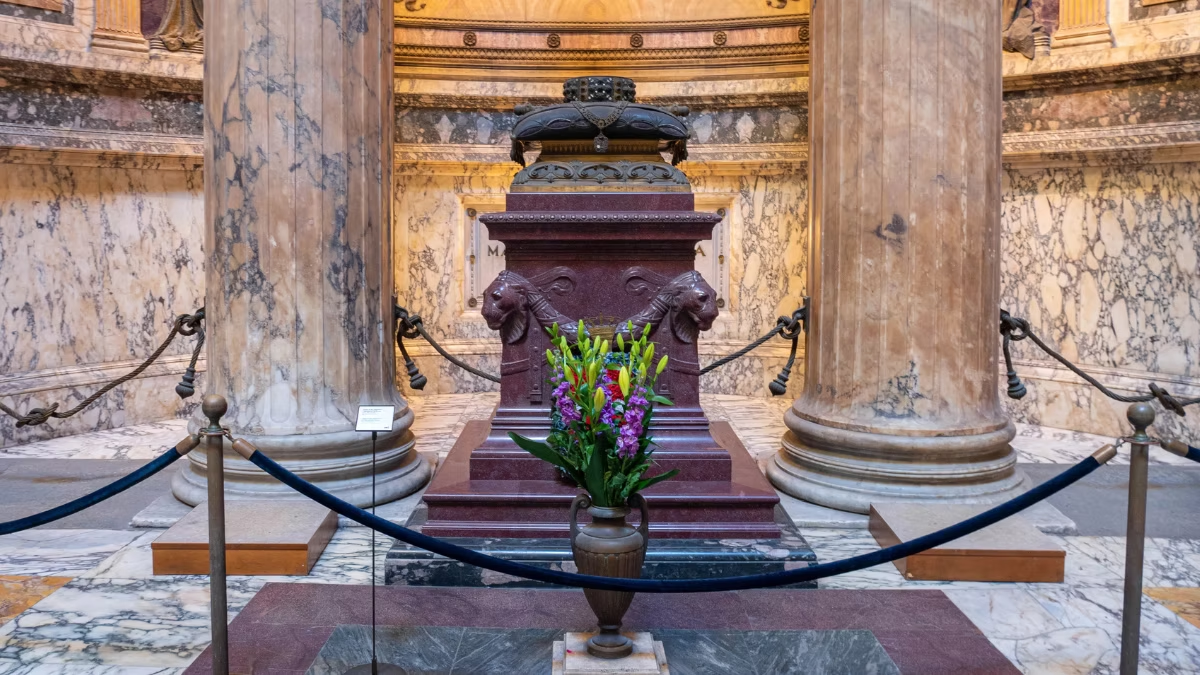
Who Is Buried in the Pantheon?
Find the tombs of Raphael, Victor Emmanuel II, and other notable figures in the Pantheon. Discover the history behind each burial.
Read guide →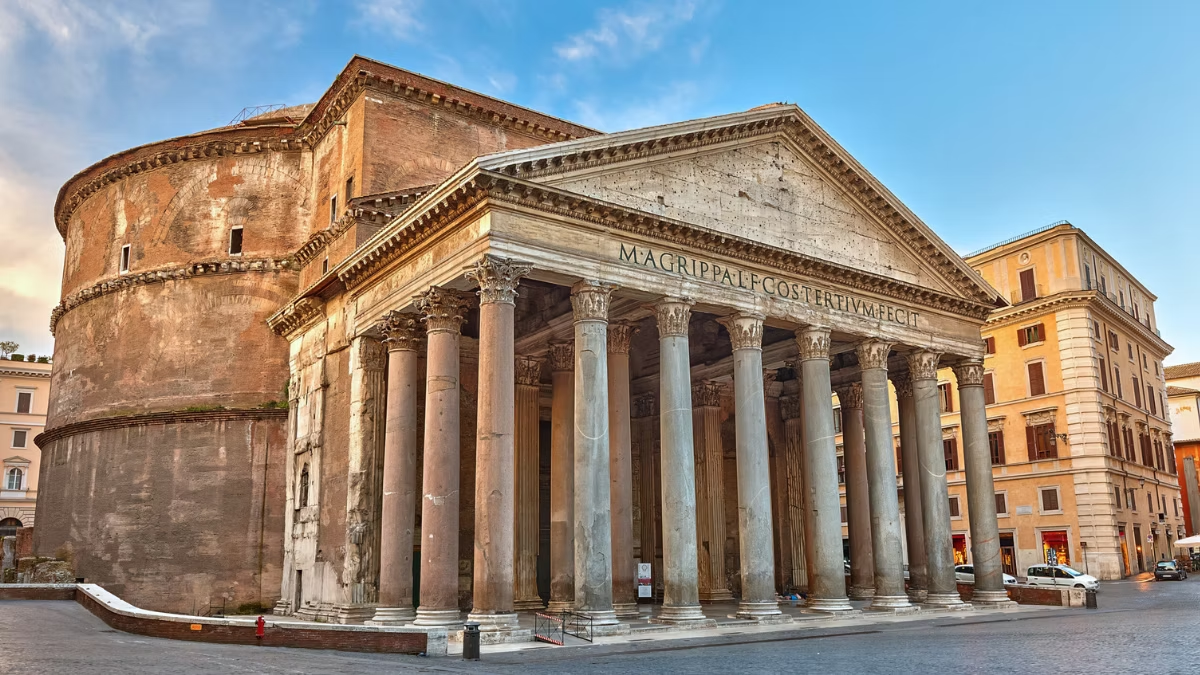
Pantheon History
From Roman temple in 27 BC to Christian church in 609 AD, trace the Pantheon’s complete transformation through 2,000 years.
Read guide →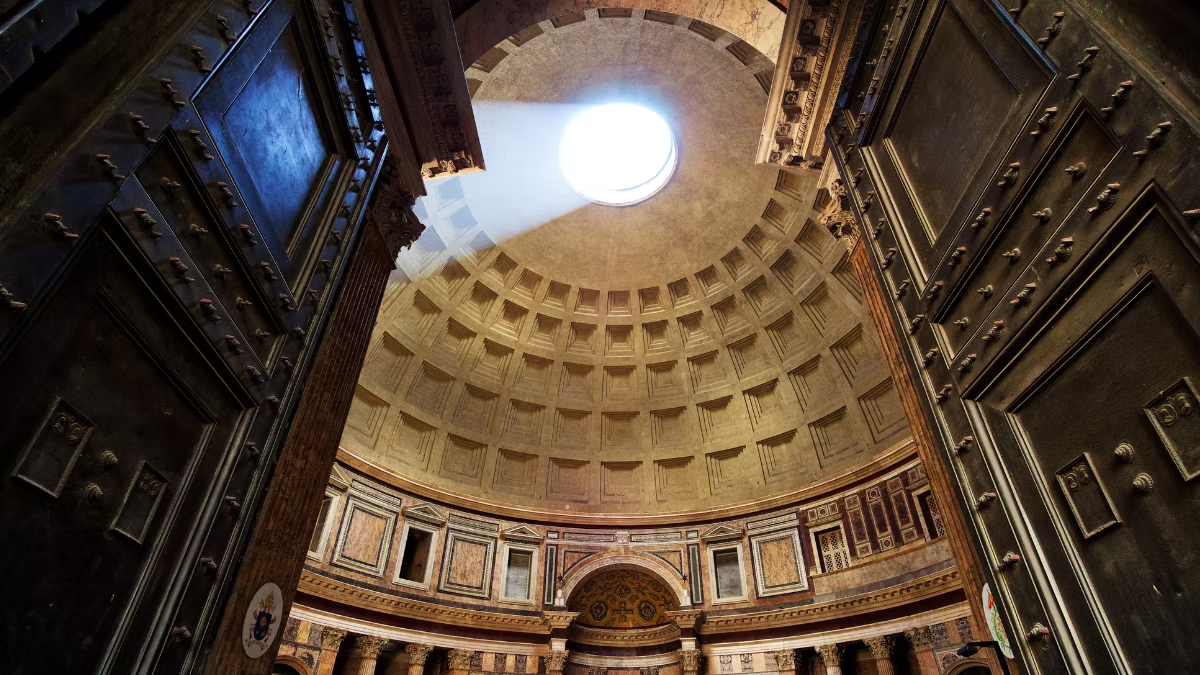
Pantheon Door
Marvel at the Pantheon’s bronze doors — 1,900 years old, 8.5 tonnes, with an original working lock and intricate craftsmanship.
Read guide →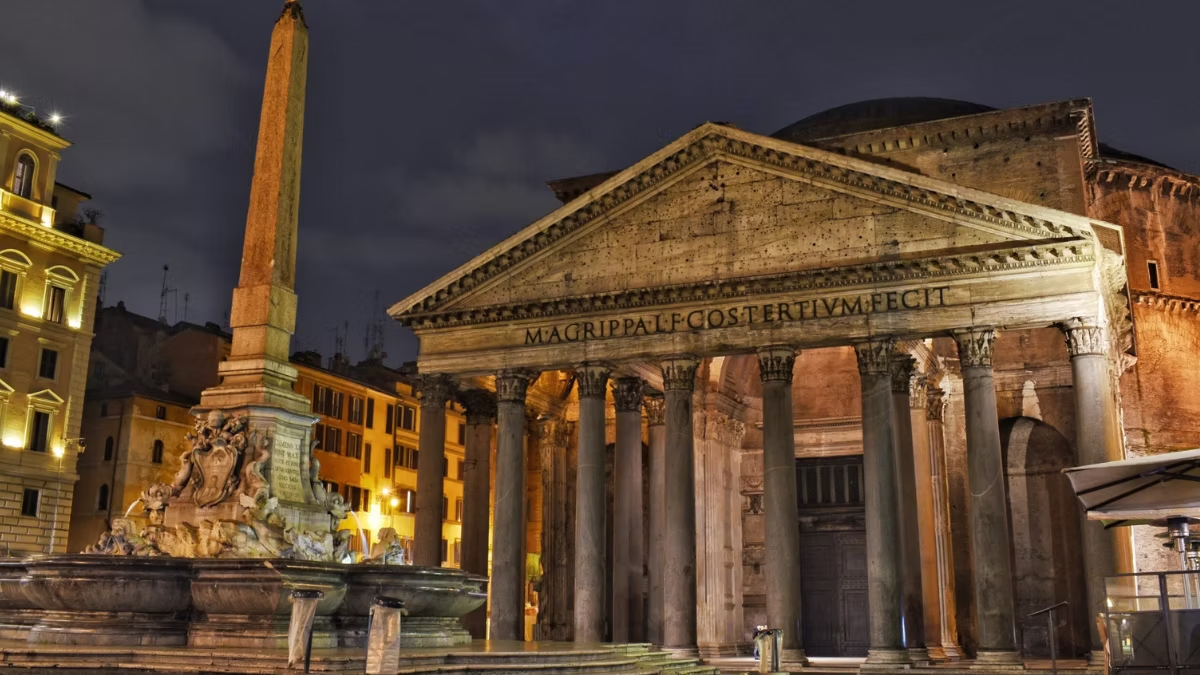
Pantheon at Night
Explore the Pantheon after dark — closing times, evening tours, best nighttime viewpoints, and nearby piazzas to visit.
Read guide →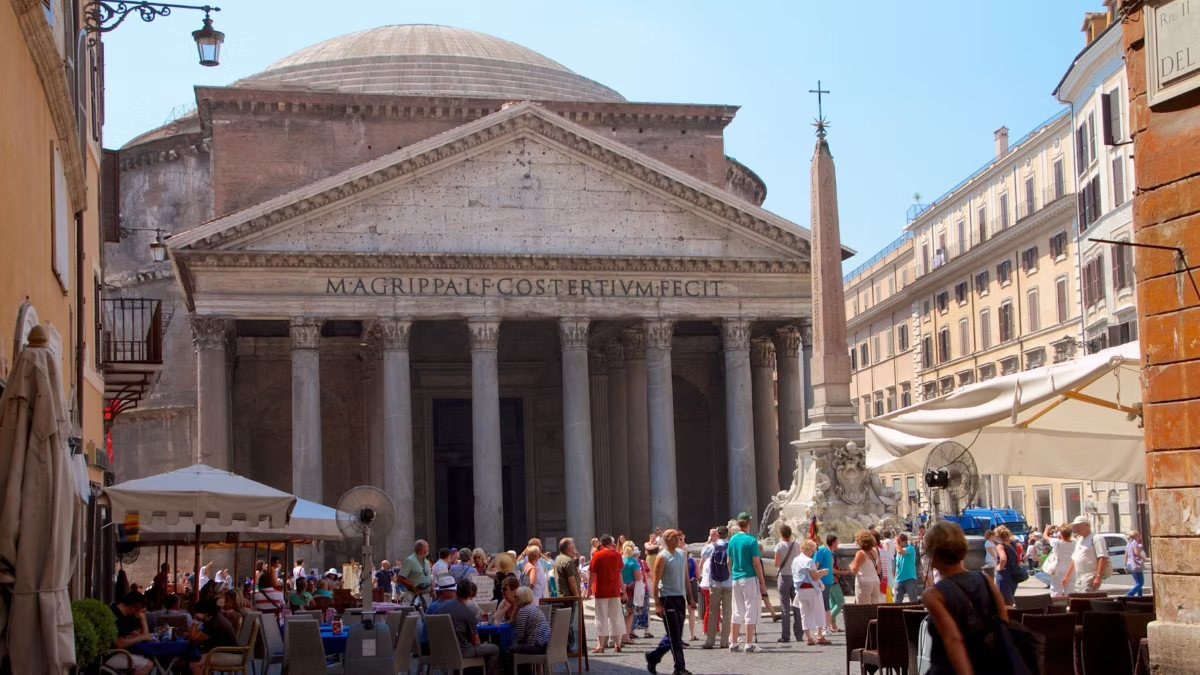
Pantheon Building
Understand the Pantheon’s architecture and history — why its dome, exterior design, and structure make it one of the world’s greatest buildings.
Read guide →How to Choose What to See at Pantheon
A quick guide based on your interests and visit style.
First Time at the Pantheon
Cover the essentials in a single visit without missing what makes this building extraordinary.
- Stand beneath the dome and oculus — the moment that defines every first visit
- Pay respects at Raphael’s tomb, the most famous burial in the building
- Study the ancient bronze doors on your way in — most visitors walk right past them
- Circle the interior to see the royal tombs of unified Italy
Architecture Lovers
The Pantheon is the best-preserved Roman building on Earth — and its engineering still baffles modern architects.
- Understand how the unreinforced concrete dome has stood for 1,900 years
- Examine the oculus — a 9-metre open hole that is the dome’s only light source and structural keystone
- Compare the exterior portico and rotunda to see how two radically different designs were joined
- Look for the original bronze doors — the oldest functioning doors in Rome
History and Stories
Every surface in the Pantheon carries layers of meaning — pagan temple, papal church, royal mausoleum.
- Trace the full timeline from Agrippa’s original 27 BC temple through Hadrian’s rebuild to its Christian consecration
- Find the tombs of Raphael, two Italian kings, and a queen — each with its own dramatic story
- Read the inscription on Raphael’s tomb — Cardinal Bembo’s epitaph is considered one of the finest in Latin
After Dark
The Pantheon at night is a completely different experience — floodlit columns, empty piazza, no crowds.
- See the floodlit exterior reflected in the fountain — the best photo opportunity in Rome
- Check evening tour availability for a rare chance to see the oculus under moonlight
- Walk the piazza after 9 PM when day-trippers are gone and the building’s scale feels immense
Continue Exploring Pantheon
Book your tickets and plan the practical details of your visit.
Tickets & Tours
Compare all ticket types, guided tours, skip-the-line options, and combo deals.
Explore tickets →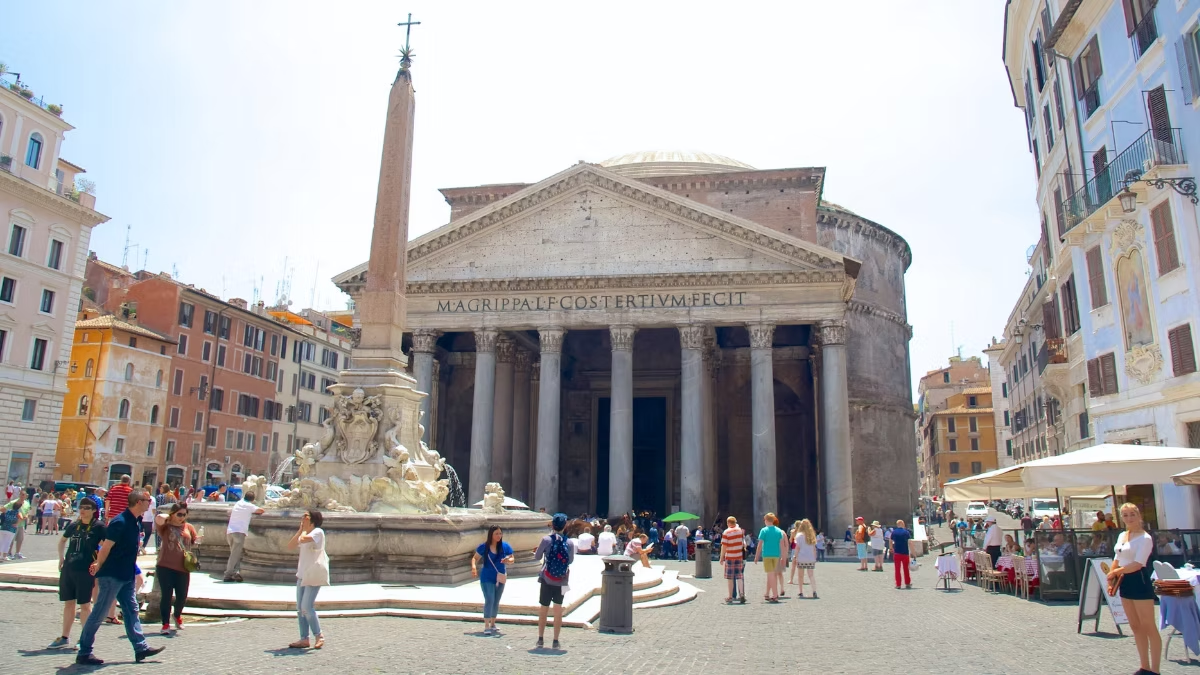
Plan Your Visit
Opening hours, how to get there, what to expect, and insider tips for your trip.
Explore planning guides →Frequently Asked Questions
Common questions about what to see and prioritise.